Qualifying is the hard part. Kitting yourself out shouldn’t be. Still, the list of essential massage therapist equipment can look overwhelming when you’re starting from scratch, and the temptation is either to buy everything at once or to put off buying anything at all. Neither serves you well.
The truth is that a new practice runs on a handful of things done properly. One good table, a hygiene routine your clients can see, and a few consumables you’ll get through faster than you expect. Everything else can wait until the diary fills up.
Massage Warehouse has supplied South African therapists for years, and we’ve watched hundreds of practices get off the ground. Here’s what to buy first, what to buy soon, and what can wait.
1. Your massage table: the one thing worth getting right
If you buy nothing else properly, buy this properly. Your table is where every treatment happens. It carries your client’s comfort and your own posture, session after session, and a poor one will cost you both.
A cheap table that wobbles, sags in the middle or sits at the wrong height will shorten your career and your client list at the same time. This is the piece where the difference between the bottom of the market and a professional-grade table is felt immediately.
What to look for in your first table
Ignore the colour for a moment and check the fundamentals:
- A stable frame. Beechwood is the classic choice for strength, while aluminium trades a little rigidity for lighter weight.
- A working weight that gives you headroom. A 250 kg working weight means you never have to think twice about who gets on the table.
- Height adjustability. Non-negotiable. Working at the wrong height is the fastest route to back and shoulder strain.
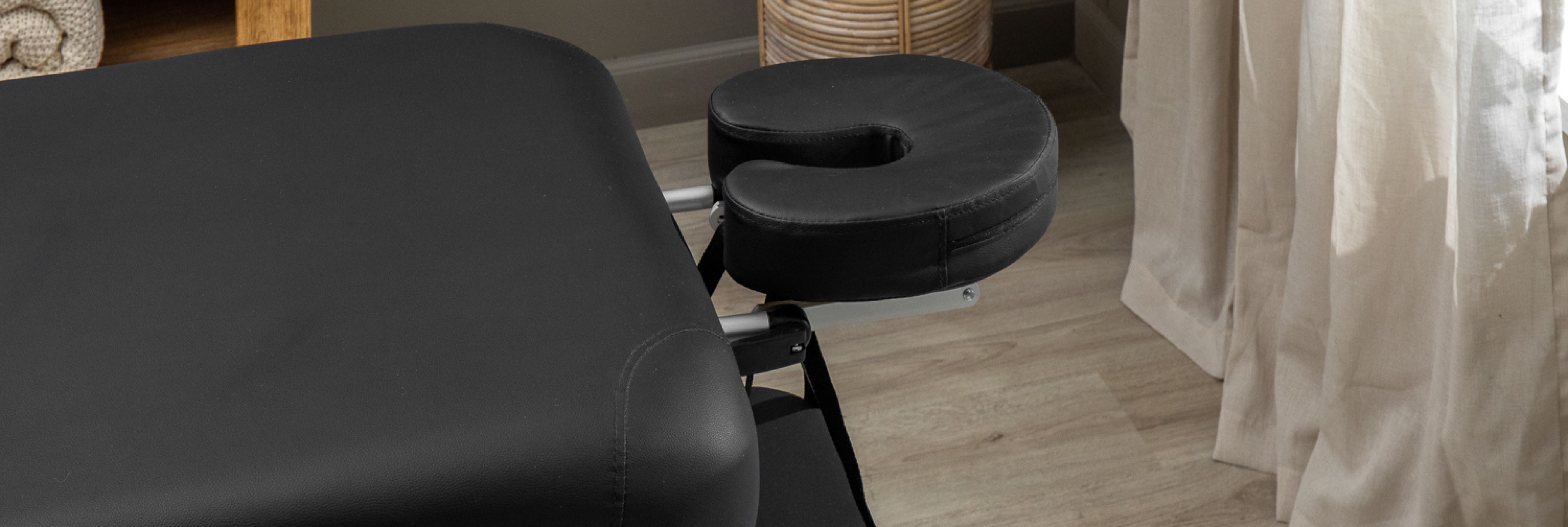
- A proper headrest and face cradle. Your client will spend most of the session face down. This is what they’ll remember.
- Dense, multi-layer foam. Thin padding compresses within months and never recovers.
- Sections and back-lift. A three-section table with back-lift lets you position clients properly for different treatments.
Portable or stationary?
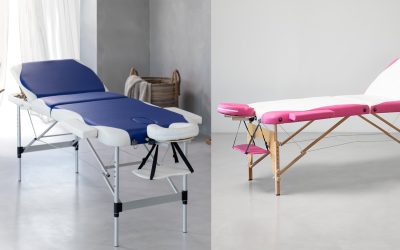
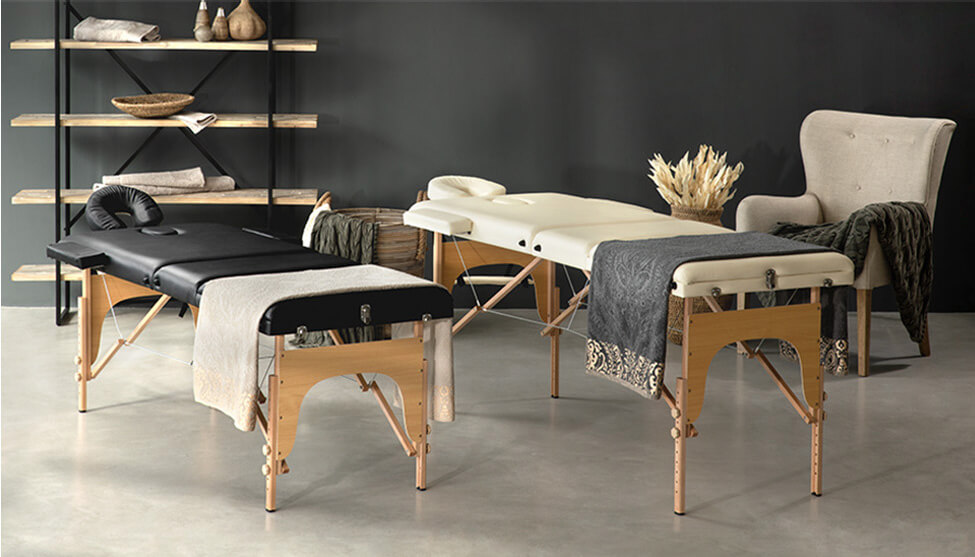
Most new therapists should start portable. A folding table like the Massage Bed – 3-Section Deluxe gives you a beechwood frame, height adjustment, a face cradle, side armrests and an arm sling, and it packs into a carry case when you’re done.
That flexibility matters early on. It lets you treat at home, rent a room by the hour, visit clients, and pack the table away between sessions, all without committing to a permanent space before your bookings justify it.
If you’ll be carrying your table often, the 3-Section Deluxe Aluminium range is worth the look. The lighter frame makes a real difference when you’re loading a car three times a week.
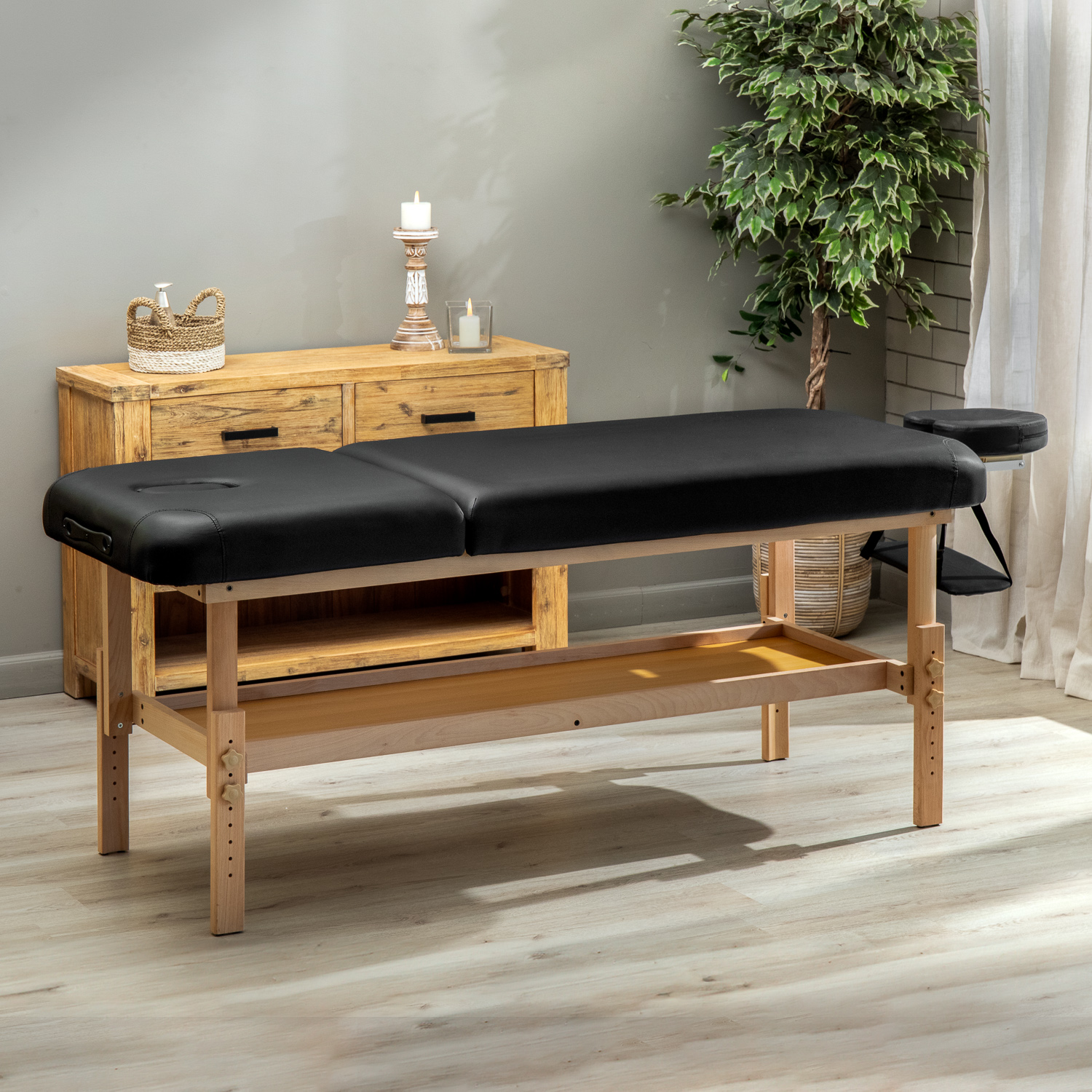
Once you have a permanent room and a steady diary, a stationary option like the Spa Massage Bed – 2-Section adds real presence, with a full-length shelf underneath for linen and towels. It’s an upgrade, not a starting point.
2. A massage chair, if you plan to work on the move
This one is genuinely optional at the start, but it earns its place faster than most new therapists expect.
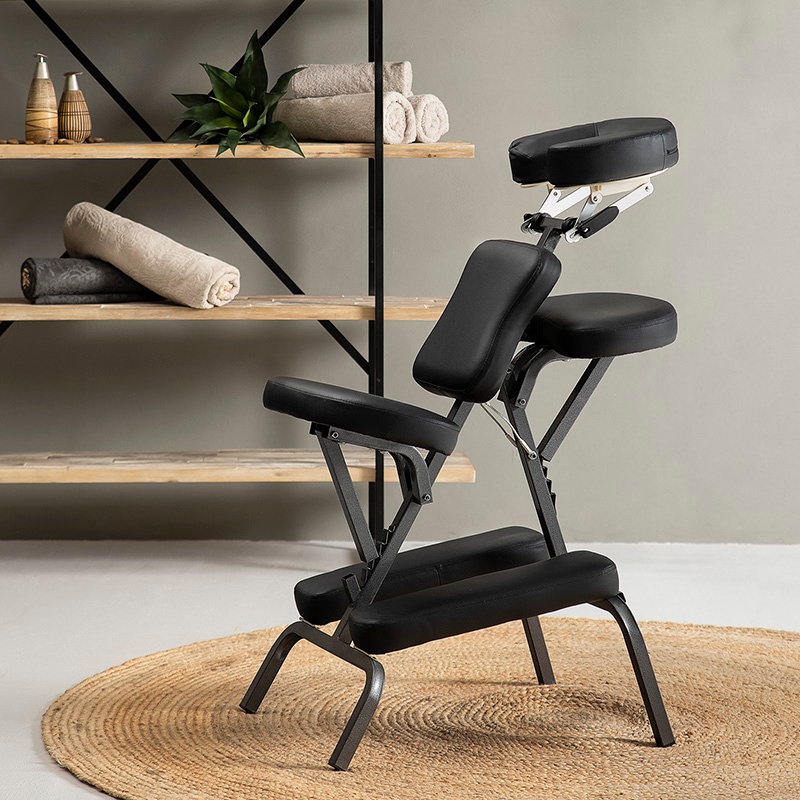
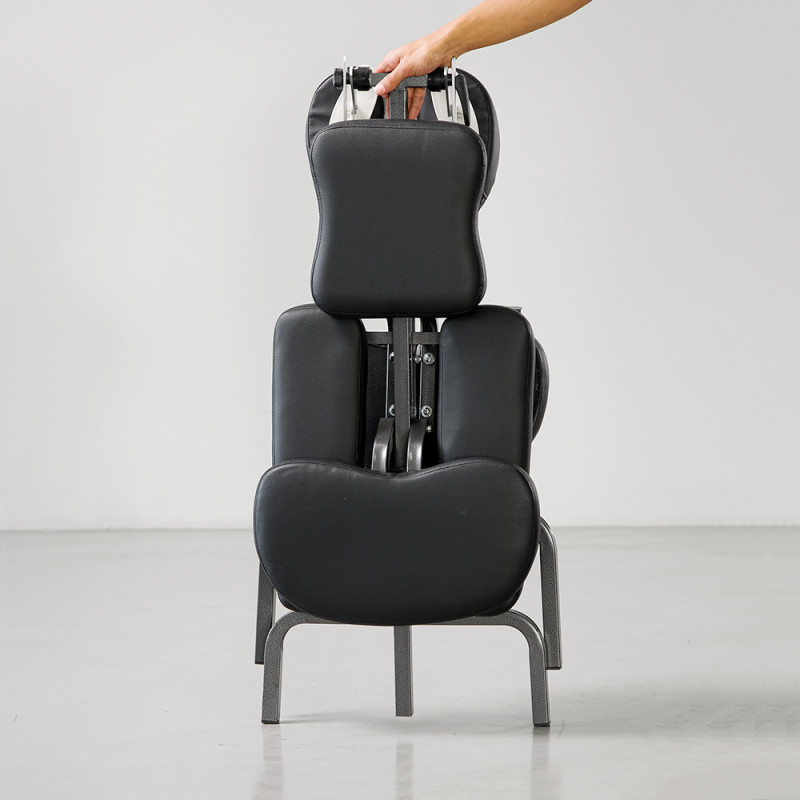
The Portable Massage Chair weighs 11 kg, folds into an included carry bag and handles a working weight of up to 200 kg. Clients stay fully clothed, which means you can work almost anywhere.
For a therapist still building a client base, that opens doors a table can’t. Corporate wellness mornings, event bookings, market stalls and quick office sessions are all far easier to say yes to when your whole setup fits over one shoulder. Many new therapists find the chair pays for itself in event work long before their treatment room is full.
3. Hygiene supplies your clients will notice
Nothing undermines a good treatment faster than a headrest that clearly wasn’t changed. Hygiene is the cheapest professionalism you can buy, and clients pick up on it instantly.
Disposable headrest covers are the workhorse here. Fresh cover, every client, no exceptions. They come in packs of 100 or 200, and a busy week will move through more than you’d think, so buy ahead.
A Plynth Cover Set protects the table itself, which is what keeps your upholstery looking new through years of oil and daily use. Replacing covers is cheap. Replacing a table isn’t.
You’ll find both in the Massage Accessories range, and they’re the kind of thing worth ordering in bulk before you run short mid-week.
4. The consumables to budget for
These aren’t glamorous, and they’re easy to forget when you’re focused on the big purchase. Build them into your startup budget from day one:
- Massage oil, cream or wax. Buy a base you trust, and keep a fragrance-free option for sensitive or allergy-prone clients.
- Linen and towels. You need enough to get through a full day without doing laundry between clients. Two or three sets per working day is a sensible minimum.
- Bolsters and cushions. A bolster under the knees or ankles changes how a client settles on the table. A rolled towel works at first, but a proper bolster is better.
- A therapist’s stool. For seated work at the head or feet, this protects your back more than you’d guess.
- Sanitiser and cleaning supplies. For your hands, the table and every surface between clients.
Consumables are a running cost, not a one-off. Track what you use in your first month and you’ll have a realistic reorder rhythm by the second.
5. What can wait
Plenty of things feel essential and simply aren’t, not yet. Hot stone sets, cupping kits, specialised modality equipment, branded uniforms, elaborate sound systems and dedicated room fit-outs are all easier to justify once you know which treatments your clients actually book.
Start lean. Let demand tell you what to buy next. It’s a far better guide than a wishlist written the week you qualified.
Your starter kit at a glance
Here’s a realistic order of purchase for a new practice:
| Priority | What to buy | When |
|---|---|---|
| Essential | Massage table, height adjustable, portable | Before your first client |
| Essential | Disposable headrest covers | Before your first client |
| Essential | Plynth cover set | Before your first client |
| Essential | Oil or cream, linen, towels, sanitiser | Before your first client |
| Soon | Bolsters, therapist’s stool, spare linen | First few months |
| Soon | Portable massage chair for mobile work | When events or on-site work start |
| Later | Spa table, specialised modality kit | Once the diary is full |
Buying smart when the budget is tight
Starting out usually means starting careful, and there’s nothing wrong with that. A few principles help:
- Put the biggest share of your budget into the table. It’s the piece you can’t work around.
- Buy consumables in bulk. Packs of 200 headrest covers work out better than repeat small orders.
- Check the warranty. Equipment that fails in year one is far more expensive than equipment that doesn’t.
- Buy from a supplier who’ll still be there when you need a part or a replacement.
Every Massage Warehouse product carries a standard 12-month warranty covering material defects, with the option to extend cover to three years for R250. There’s a 14-day money-back satisfaction guarantee on everything, and nationwide delivery.
Setting up your practice with Massage Warehouse
You don’t need everything on day one. You need a table that holds up, a hygiene routine you never cut corners on, and the consumables to get through a full week. Add the rest as your practice tells you to.
When you’re ready to build your setup, browse the Massage Beds range, the Portable Massage Chair and our Massage Accessories. Here’s to your success as a massage therapist!